
'/%3E%3C/svg%3E)
Nature
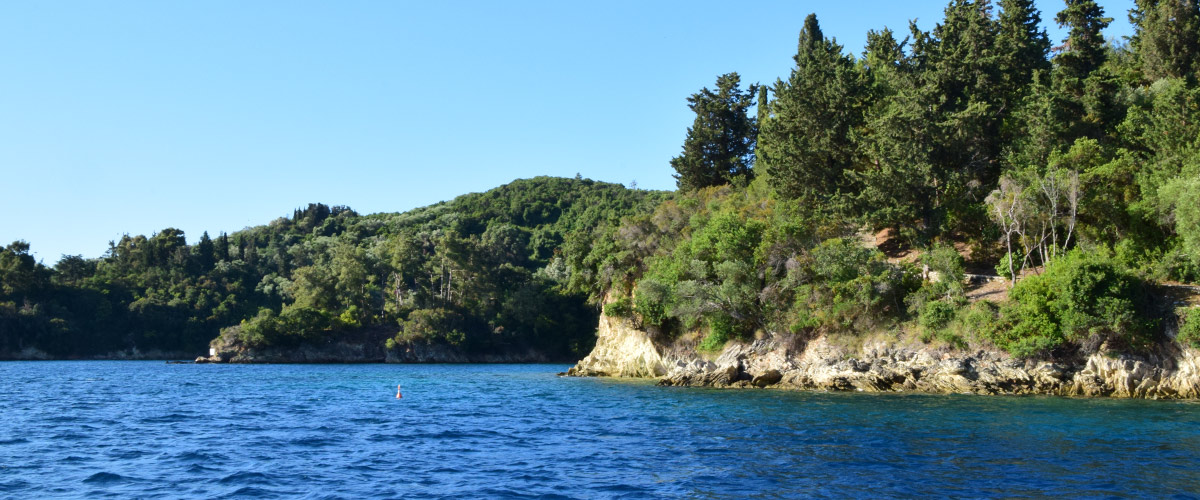
Lefkada is an island in the Ionian Sea. It is located between Corfu and Kefalonia. The climate of Lefkada is categorized as “Mediterranean” with the main characteristics of sunshine, mild but rainy winter and the hot summer. Lefkada is related to five NATURA2000 areas.
Description of the NATURA2000 area
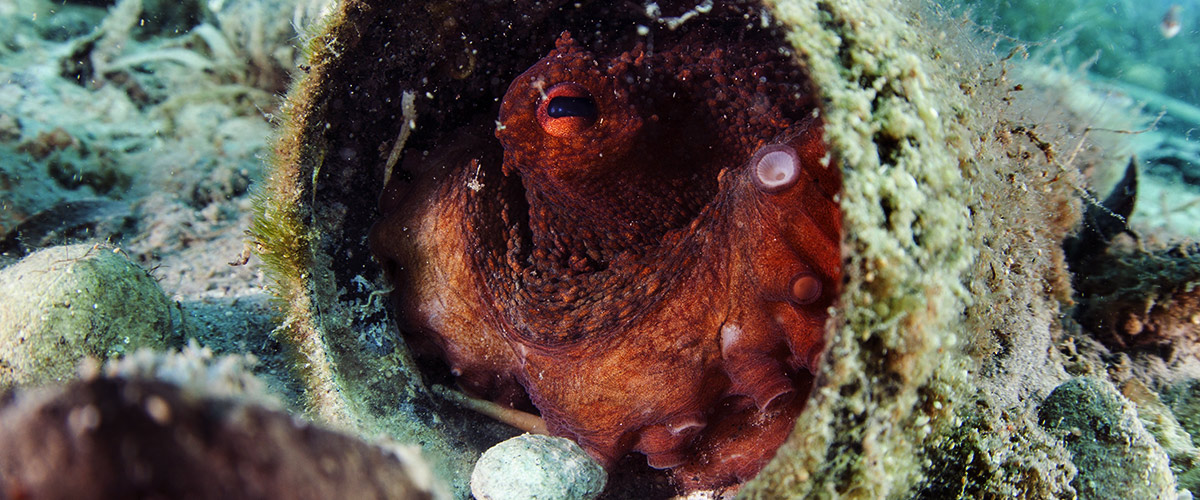
The island of Skorpios, belongs to the NATURA2000 area named “Esoteriko Archipelagos Ioniou (Meganisi, Arkoudi, Atokos, Vromonas) with the site code GR2220003. The faunistic importance of this site is evident. The marine environment of the site offers refuge to many important top predator species indicating the biological richness of the area. Especially Delphinus delphis is present in the site with one of its last 3-4 spot populations in the whole Mediterranean Sea.
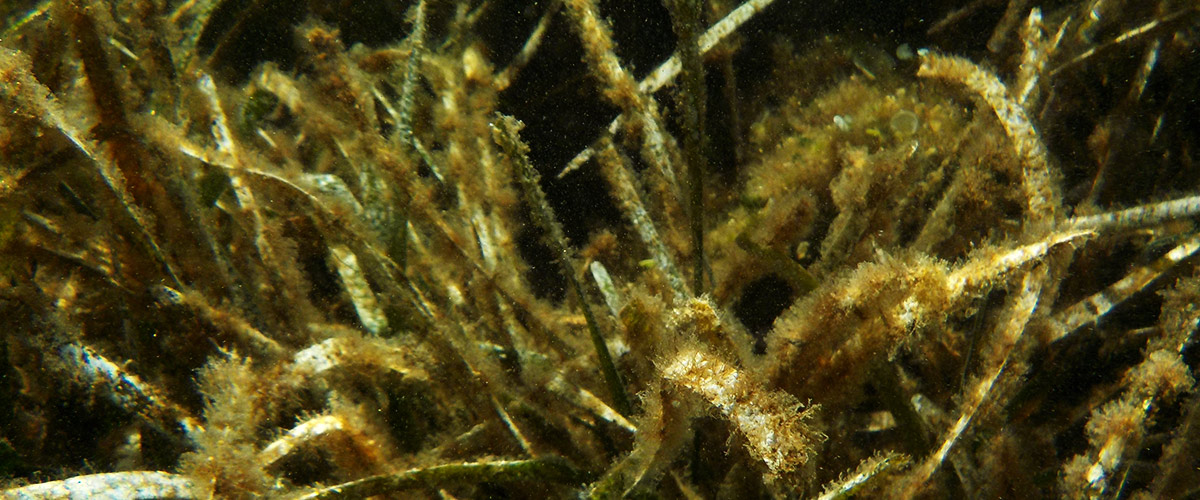
Another important natural habitat type that constitutes a common component of the coastal marine environment of the site, are the Posidonia ssp. seabeds. Their conservation status in the area is still excellent and furthermore a Directive 92/43/EEC Annex IV invertebrate species (e.g., Pinna nobilis) is common within their limits.
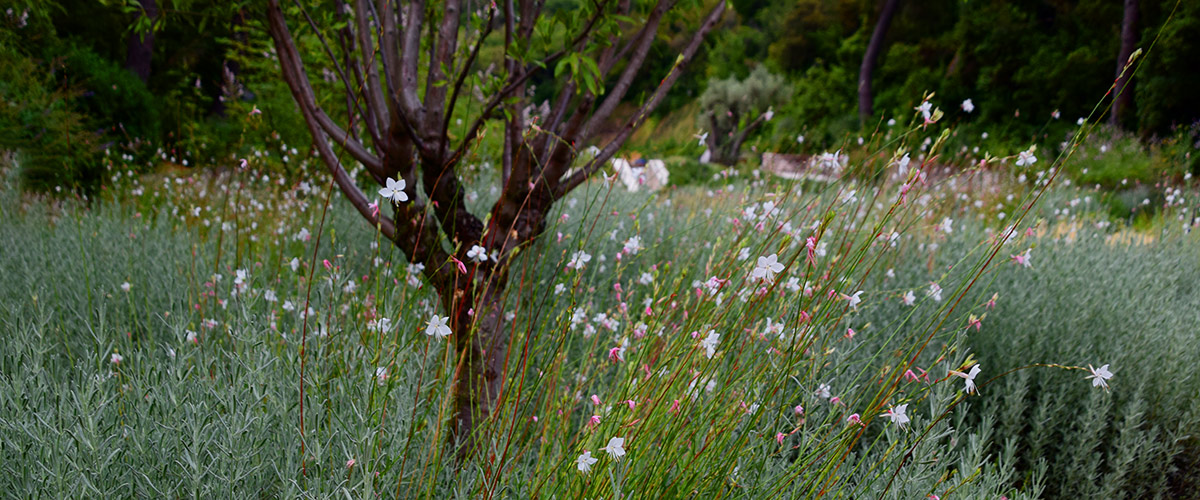
Also, Little clusters with Juniperus phoenicea in good ecological condition participate in the composition of the vegetation. Furthermore, the brush wooding formations, the small area’s clusters with Pinus halepensis and the olive groves complete the landscape of the site.
Habitats
The types of Habitats present in the Special Area of Conservation are identified as follows from the standard Data Form of the NATURA2000 Network (2018 edition):
The vegetation that characterizes the habitat type 1150 is the underwater meadows with the species Ruppia maritima that covers a significant part of the bottom. The lagoons are one of the most productive ecosystems and especially important for many birds. They also support many fish populations. Aquatic vegetation is part of the wetland ecosystems and the ecological processes that take place in them, and its presence is an indication of their good operation.
This Habitat, although based on Natura2000, is characterized by an excellent conservation status due to its small size, the presence of the endemic species Limonium norbornenes and its special ecological and aesthetic value, it needs protection and promotion measures.
Warm – Mediterranean or warm – Canary forests dominated by tree species Olea europaea ssp. sylvestris, Ceratonia siliqua, Pistacia lentiscus, Myrtus communis or in the Canary Islands with Olea europaea ssp. cerasiformis and Pistacia atlantica. Most formations are recorded as tree shrubs, but some clusters may be of sufficient height and closed crop to fit into the above type.
The habitat type includes the thermophilic forests of Aleppo and rough pine, the cold mountain robolo forests (Pinus heldreichii). It is obvious that the ecological conditions in which these two vegetation units meets are quite different.
The vegetation that characterizes the habitat type 1150 is the underwater meadows with the species Ruppia maritima that covers a significant part of the bottom. The lagoons are one of the most productive ecosystems and especially important for many birds. They also support many fish populations. Aquatic vegetation is part of the wetland ecosystems and the ecological processes that take place in them, and its presence is an indication of their good operation.
This Habitat, although based on Natura2000, is characterized by an excellent conservation status due to its small size, the presence of the endemic species Limonium norbornenes and its special ecological and aesthetic value, it needs protection and promotion measures.
Warm – Mediterranean or warm – Canary forests dominated by tree species Olea europaea ssp. sylvestris, Ceratonia siliqua, Pistacia lentiscus, Myrtus communis or in the Canary Islands with Olea europaea ssp. cerasiformis and Pistacia atlantica. Most formations are recorded as tree shrubs, but some clusters may be of sufficient height and closed crop to fit into the above type.
The habitat type includes the thermophilic forests of Aleppo and rough pine, the cold mountain robolo forests (Pinus heldreichii). It is obvious that the ecological conditions in which these two vegetation units meets are quite different.